
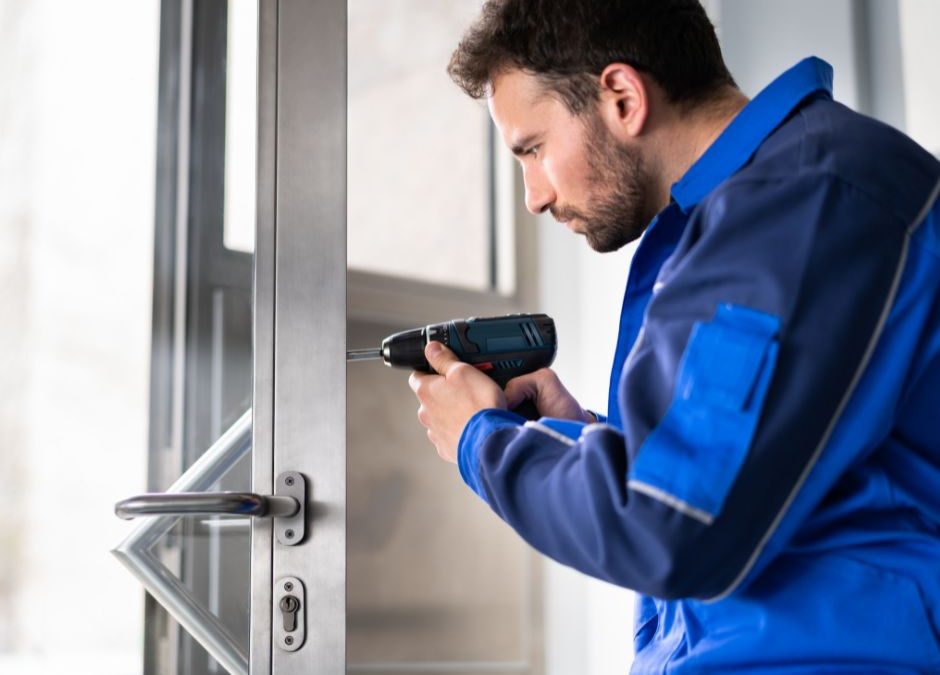
A house lockout can happen after losing a key, closing a self-locking door, experiencing a broken lock, or discovering that a smart lock is not responding. Although being locked outside is stressful, taking a few careful steps can help you regain access without damaging the door or compromising your home’s security.
Euless residents should first check for a safe, authorized alternative entrance and then contact a professional residential locksmith if they cannot get inside. Avoid forcing the door, climbing through an unsafe window, or using improvised tools that could damage the lock and turn a straightforward lockout into an expensive repair.
Stay Calm and Check for Immediate Danger
Before focusing on the lock, determine whether the situation involves an emergency. Call emergency services if:
- A child or vulnerable person is locked inside
- Food is burning on the stove
- A fire or gas leak may be present
- Someone inside needs urgent medical assistance
- A pet is in immediate danger
- Severe weather creates a health or safety risk
- You suspect an intruder may be inside
A normal locksmith response is not a substitute for police, fire, or medical assistance when someone is in immediate danger.
If no emergency exists, move to a safe and well-lit area while you assess your options.
Confirm That You Are Actually Locked Out
It may sound obvious, but stress can make it easy to overlook a legitimate alternative entrance. Check all permitted access points without forcing anything.
Consider whether:
- Another exterior door is unlocked
- An attached garage is safely accessible
- A trusted household member has a key
- A property manager can provide access
- A landlord has an authorized spare
- A secure lockbox contains a backup key
- A smart-lock application still provides entry
- Another authorized resident can unlock the door remotely
Do not attempt to enter through a window unless it is already open, accessible without climbing, and safe to use. Avoid damaging screens, glass, locks, and window frames.
Contact Someone With an Authorized Spare Key
Before requesting emergency service, call a family member, roommate, trusted neighbor, landlord, or property manager who may have a spare key.
This may be the simplest solution if the person is nearby. However, avoid hiding a spare beneath a doormat, planter, fake rock, or other predictable outdoor location. These places are commonly checked by unauthorized visitors.
Safer spare-key options include:
- A trusted local contact
- A properly secured lockbox
- A monitored smart-lock credential
- A professionally installed keypad lock
- Secure property-management procedures
If no authorized key is available, contact a locksmith serving Euless.
Call a Professional Residential Locksmith
A qualified residential locksmith can inspect the lock and determine an appropriate entry method. When possible, the locksmith may use techniques intended to restore access without damaging the existing hardware.
The correct approach depends on:
- Lock type
- Door construction
- Lock condition
- Whether a key broke inside
- Previous damage or tampering
- Smart-lock condition
- Deadbolt position
- Security features
- Door and frame alignment
Drilling is sometimes necessary, but it should not automatically be the first solution for every lockout. Ask why destructive entry is required if the technician recommends it.
Information to Provide When Calling
Clear information helps the locksmith prepare for the job and provide a more useful estimate.
Be ready to share:
- Your name
- The exact Euless service address
- Type of property
- Door and lock type
- Whether a key is lost, broken, or inside
- Whether the lock is mechanical, keypad, or smart
- Visible damage
- Whether the door has a deadbolt
- Whether you rent or own the property
- Safe parking or access instructions
- Whether the situation is urgent
Photos of the door and lock may help the company identify the hardware before dispatching a technician.
Ask About Pricing Before Confirming Service
House-lockout pricing may depend on the lock, time of day, service location, entry method, and whether replacement hardware is needed.
Before scheduling service, ask:
- Is there a service-call charge?
- What is the estimated total for the lockout?
- Are after-hours rates different?
- What could cause the price to change?
- Does the estimate include labor?
- Will new hardware cost extra?
- Is drilling expected?
- Will I receive an itemized invoice?
A phone estimate may change after an on-site inspection if the lock or door differs from the description. The locksmith should explain any change before proceeding.
Be cautious of extremely low advertisements that represent only a starting or dispatch price rather than the likely final cost.
Prepare to Verify Your Authorization
A responsible locksmith should verify that you own, rent, manage, or are otherwise authorized to enter the home.
Verification may involve:
- Government-issued identification
- A lease
- Utility documentation
- Property-management confirmation
- A matching address
- Authorization from the homeowner or tenant
If your identification is locked inside, explain this while scheduling service. The locksmith may establish a process for confirming it after access is restored.
Verification protects homeowners and tenants by preventing unauthorized entry.
What Not to Do During a House Lockout
Improvised entry attempts can damage the door, frame, lock, siding, window, or weather seal. They may also cause injuries.
Avoid:
- Kicking or shouldering the door
- Prying the frame
- Drilling the lock yourself
- Breaking a window
- Climbing onto the roof
- Using knives, screwdrivers, or coat hangers
- Removing hinges from outside
- Forcing a key that will not turn
- Tampering with smart-lock wiring
- Following random bypass instructions online
Many exterior doors include security features specifically designed to resist manipulation. Forcing them can turn an ordinary lockout into a need for extensive lock repair or door replacement.
What Happens When the Locksmith Arrives?
A professional service appointment generally includes:
- Confirming your identity and authorization
- Inspecting the door and lock
- Explaining the likely entry method
- Providing or confirming the estimate
- Attempting appropriate nondestructive access
- Opening the door
- Checking the lock for damage
- Recommending rekeying or repair when necessary
- Testing the lock after service
- Providing an invoice
Do not authorize additional work until you understand why it is needed and what it will cost.
When Is Drilling Necessary?
Many locks can potentially be opened without drilling, but nondestructive entry is not always possible.
Drilling may be necessary when:
- Internal components have failed
- The lock is severely damaged
- A broken key has damaged the cylinder
- Previous tampering has affected the mechanism
- The lock cannot be manipulated safely
- A high-security design prevents other methods
- The cylinder is already due for replacement
If drilling is required, the damaged cylinder or lock will usually need replacement. Ask what hardware will be installed and whether the price includes the replacement.
Should You Rekey the Locks After a Lockout?
A lockout does not always require house rekeying. If the key was simply left inside and remains secure, the existing key system may still be safe.
Rekeying should be considered when:
- The key is lost
- The key may have been stolen
- Your address can be identified from the missing belongings
- A former roommate retained a key
- You recently moved into the home
- You do not know how many copies exist
- An unauthorized person may have access
- A contractor or temporary occupant retained a key
Rekeying changes the internal configuration of a compatible lock so the old key no longer operates it. The existing hardware remains in place when it is suitable and in good condition.
House Rekeying vs. Lock Replacement
Rekeying and replacement solve different problems.
| Service | What changes | Best used when |
|---|---|---|
| House rekeying | Internal key configuration | Hardware is sound, but key control has been lost |
| Lock replacement | Entire lock or major hardware | Lock is damaged, outdated, incompatible, or inadequate |
| Lock repair | Faulty component or alignment | Lock can be restored safely |
| Lock installation | New hardware is fitted | Adding or upgrading a lock |
A locksmith should inspect the hardware and explain which option is appropriate instead of automatically recommending complete replacement.
When Lock Repair Is Needed
The lockout may reveal a mechanical problem rather than a missing-key problem. Professional lock repair may be necessary if:
- The key turns but the door remains locked
- The latch does not retract
- The deadbolt binds
- The key repeatedly sticks
- The cylinder spins
- The lock feels loose
- The strike is misaligned
- The door must be pushed or lifted to lock
- A key broke inside the cylinder
- The lock has visible impact damage
Door settlement, loose hinges, temperature changes, and frame movement can affect alignment. Replacing the cylinder will not correct every door or frame problem, so the full opening should be evaluated.
When New Lock Installation Is Better
Professional lock installation may offer better value when the existing hardware:
- Is severely damaged
- Is badly corroded
- No longer fits the door correctly
- Has missing parts
- Uses an outdated design
- Does not provide the desired security
- Cannot be rekeyed
- Has failed repeatedly
- Is incompatible with a smart-home system
- Was damaged during attempted entry
New hardware must be compatible with the door, frame, backset, bore dimensions, and intended use. Proper installation also ensures that the bolt extends fully and the strike is aligned.
Smart-Lock Lockouts
Smart locks can reduce dependence on physical keys, but they do not eliminate lockouts. Access problems may be caused by:
- Dead batteries
- Lost phones
- Forgotten codes
- Network outages
- Application problems
- Incorrect permissions
- Mechanical misalignment
- Damaged electronic components
- Failed firmware updates
Before calling for service, follow the manufacturer’s approved troubleshooting instructions. You may be able to:
- Use a backup mechanical key
- Replace accessible batteries
- Use approved emergency power
- Enter through the administrator application
- Contact an authorized account manager
Do not dismantle the lock or apply power using an unapproved method. If the system still does not respond, contact a residential locksmith familiar with electronic hardware.
Rental-Property Lockouts
Tenants should first contact the landlord, leasing office, or property manager when appropriate. The lease may contain specific procedures for after-hours access, lost keys, or lock replacement.
A locksmith may require authorization before modifying rental-property hardware. Tenants should avoid replacing locks without permission, particularly if doing so would prevent management from entering as allowed by the lease or applicable law.
Property managers should maintain clear procedures for:
- Verifying tenant identity
- Handling after-hours lockouts
- Issuing replacement keys
- Rekeying between occupants
- Managing smart-lock credentials
- Documenting hardware changes
How to Prevent Future House Lockouts
After access is restored, create a plan that makes another lockout less likely.
Make a Spare Key
Have a properly cut duplicate made and give it to a trusted person. Do not place it in an obvious hiding location.
Use a Secure Lockbox
A professionally selected lockbox can provide controlled emergency access. Install it in an appropriate location and change its code when necessary.
Consider a Keypad Lock
A keypad can provide entry without a physical key. Choose individual codes rather than sharing one permanent code with everyone.
Maintain Smart-Lock Batteries
Replace batteries according to manufacturer guidance and respond promptly to low-battery alerts.
Repair Difficult Locks
A key that sticks or requires excessive force may be warning of a developing failure. Schedule lock repair before the mechanism stops working completely.
Keep Locksmith Information Available
Save the contact information for a reputable locksmith in Euless before an emergency occurs. This reduces the pressure to select an unfamiliar provider during a late-night lockout.
Additional Ways to Improve Home Security
A house lockout can be a useful opportunity to evaluate the home’s overall security.
Consider checking:
- Exterior deadbolts
- Strike plates
- Door-frame condition
- Sliding-door locks
- Garage entry doors
- Window locks
- Key-control practices
- Exterior lighting
- Smart-lock account security
- Spare-key storage
A strong lock cannot provide full protection when installed on a weak door or damaged frame. Reinforcing the surrounding opening may be as important as upgrading the lock itself.
How to Choose a Residential Locksmith in Euless
Before hiring a locksmith, confirm:
- The company name
- Euless service availability
- Relevant residential experience
- Pricing procedures
- Estimated arrival window
- Identification and authorization requirements
- Warranty terms
- Accepted payment methods
- Whether an invoice is provided
A trustworthy locksmith should explain the proposed service and receive approval before performing additional repairs or installing new hardware.
Call 682 Locksmith for a House Lockout in Euless
A house lockout is frustrating, but forcing entry can create unnecessary damage and expense. Check for a safe authorized entrance, contact someone with a spare, and call a professional when access cannot be restored safely.
682 Locksmith provides residential locksmith services in Euless, Texas, including house lockout assistance, house rekeying, lock installation, and lock repair. Contact 682 Locksmith for help restoring access and evaluating the condition of your home’s locks.
Looking for fast, reliable locksmith services in the area? Look no further than 682 Locksmith. Whether you’re locked out, need key replacements, or require enhanced security solutions for your home or business, our experienced team is ready to help. We also offer 24/7 Emergency lockout assistance. Visit us at 216 Martha St, Euless, TX 76040, or call us at 682-300-2286.
Frequently Asked Questions
Can a locksmith open my house without damaging the lock?
Many locks can potentially be opened using nondestructive methods, but the outcome depends on the lock type and condition. Drilling may be necessary when the hardware is damaged or other methods are unsuitable.
What proof do I need during a house lockout?
A locksmith may request identification, a lease, property documentation, or confirmation from an owner or manager. If documents are inside, explain the situation before service begins.
Should I rekey my house after losing a key?
Rekeying is advisable when a missing key may be found or used by an unauthorized person. It prevents the old key from operating compatible rekeyed locks.
Is rekeying cheaper than replacing a lock?
Rekeying is often more economical when the existing lock is compatible and in good condition. Replacement may be necessary when the hardware is damaged, outdated, or inadequate.
Can a locksmith help when a smart lock battery dies?
A locksmith familiar with electronic locks may help restore authorized access. Available methods depend on the lock’s emergency-power, backup-key, and administrator-access features.
Should I call emergency services during a lockout?
Call emergency services when a child, vulnerable person, pet, fire, medical emergency, or another immediate danger is inside. For an ordinary lockout, contact a residential locksmith.
Recent Comments