
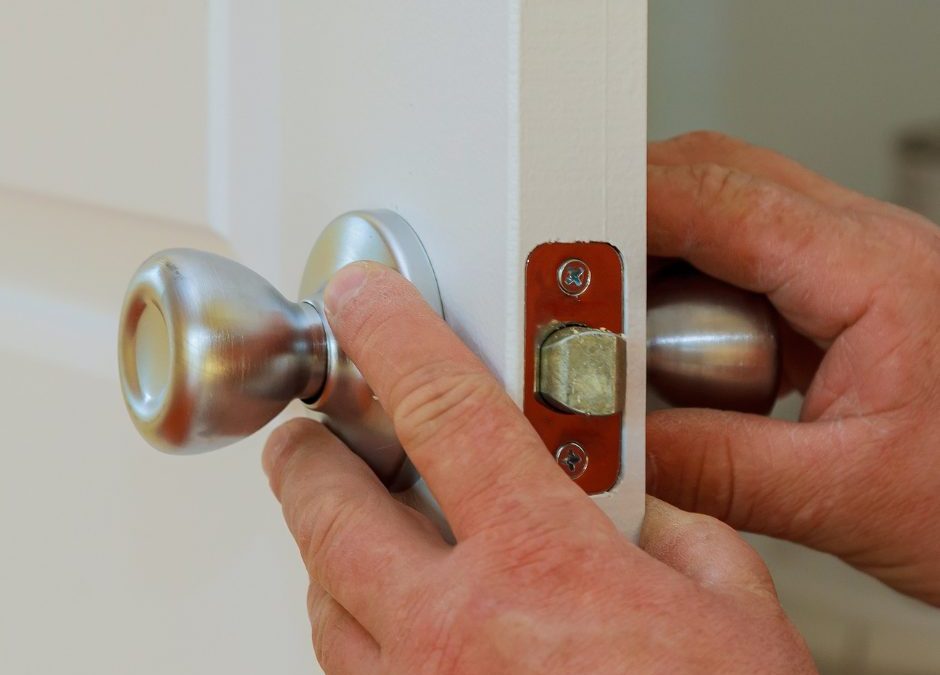
Commercial doors experience significantly more use than most residential doors. Employees, customers, vendors, and delivery personnel may pass through the same entrance hundreds of times each day. Over time, continuous traffic can wear down locks, hinges, closers, frames, and other door components.
Although normal wear is unavoidable, incorrect lock installation can accelerate the damage. A lock that is misaligned, improperly fitted, or unsuitable for the door may place stress on the latch, strike plate, frame, and surrounding hardware. Eventually, the door may become difficult to close, fail to lock, or require extensive repairs.
682 Locksmith provides commercial locksmith services for businesses in Euless, Texas. Proper hardware selection, installation, and maintenance can help commercial property owners protect their entrances and avoid preventable security problems.
Why Commercial Doors Fail
A commercial door is a complete system. The door slab, frame, hinges, closer, lock, latch, strike, threshold, and exit hardware must work together. When one component becomes damaged or misaligned, it can affect every other part.
Common causes of commercial door failure include:
- Heavy daily use
- Improper lock installation
- Door or frame misalignment
- Worn hinges
- Damaged strike plates
- Malfunctioning door closers
- Incorrectly selected hardware
- Corrosion and weather exposure
- Forced-entry attempts
- Poor maintenance
- Loose fasteners
- Building or foundation movement
Recognizing the cause is essential. Replacing only the lock may not solve the problem if the door is sagging, the frame is damaged, or the closer is forcing the entrance to slam.
Poor Lock Installation Creates Alignment Problems
Commercial locks must be positioned correctly so that the latch or deadbolt enters the strike without unnecessary resistance. Even a small alignment error can make the door difficult to operate.
Signs of improper alignment include:
- The door must be pushed or pulled before it locks
- The key becomes difficult to turn
- The latch rubs against the strike plate
- The deadbolt does not extend completely
- The door fails to latch automatically
- The lock feels loose
- Employees need to lift the door to secure it
- The hardware becomes damaged repeatedly
When users repeatedly force a misaligned lock, the internal components can wear out prematurely. The frame and strike plate may also become damaged.
Professional business lock installation helps ensure that the hardware fits the door and operates smoothly from the beginning.
The Wrong Lock Can Damage the Door
Not every lock is appropriate for every commercial entrance. A light-duty lock may not withstand high traffic, while an incorrectly sized lock may require damaging modifications to the door.
A commercial locksmith considers factors such as:
- Door material and thickness
- Existing hardware preparation
- Expected daily traffic
- Indoor or outdoor use
- Security requirements
- Accessibility needs
- Fire and emergency-exit requirements
- Number of authorized users
- Electronic integration
- Desired key-control level
Commercial-grade locks are designed for different levels of use. Selecting the appropriate hardware helps prevent frequent malfunctions and premature replacement.
Worn Hinges Cause Lock Problems
A lock may seem defective even when the real problem is the door’s hinges. Heavy commercial doors place considerable weight on their hinge assemblies. As hinges loosen or wear, the door can begin to sag.
A sagging door changes the position of the latch relative to the strike. Employees may compensate by pulling, lifting, or slamming the door, placing even more stress on the lock.
Common signs of hinge-related problems include:
- Uneven gaps around the door
- Scraping along the floor or threshold
- A door that appears lower on the lock side
- Difficulty engaging the latch
- Loose or missing hinge screws
- Repeated lock-alignment problems
Before replacing the lock, the entire door should be inspected. Correcting the hinge or frame problem may restore proper operation and prevent damage to the new hardware.
Door Closers Can Accelerate Wear
Commercial door closers control how quickly and firmly a door shuts. A properly adjusted closer allows the door to close smoothly and latch securely. A damaged or poorly adjusted closer may cause the door to slam, remain open, or stop before the latch reaches the strike.
Repeated slamming can damage:
- Lock bodies
- Latches
- Strike plates
- Door frames
- Hinges
- Glass panels
- Electronic lock components
A door that closes too slowly or lacks sufficient force may fail to latch, leaving the building unsecured. Lock and closer performance should be evaluated together when a commercial door develops recurring problems.
Loose Strike Plates Weaken Commercial Security
The strike plate receives the latch or bolt when the door is locked. It must be properly positioned and securely attached to the frame.
A loose, damaged, or incorrectly fitted strike can cause:
- Incomplete locking
- Difficulty turning the key
- Rapid latch wear
- Damage to the door frame
- Increased vulnerability to forced entry
- A door that opens under pressure
Simply using larger screws is not always the correct solution. The strike must match the lock, align with the latch, and suit the frame material.
Proper lock installation includes inspecting and securing the strike rather than focusing exclusively on the lock attached to the door.
Repeated Lock Repairs May Indicate a Door Problem
If a business frequently replaces or repairs the same lock, the hardware may not be the primary issue. Repeated failures can indicate:
- A sagging door
- A warped frame
- Excessive door-closer force
- Poor-quality hardware
- Incorrect installation
- Heavy use beyond the lock’s rating
- Employees forcing the latch
- Moisture or corrosion
- Attempted unauthorized entry
A professional diagnosis can prevent the business from repeatedly paying for temporary repairs. The goal should be to correct the cause of the failure, not merely replace the damaged component.
Proper Lock Installation Protects the Door and Frame
Professional installation helps all parts of the entrance operate together. The locksmith carefully measures the door, selects compatible hardware, prepares the opening, aligns the lock and strike, and tests the completed assembly.
A commercial installation may involve:
- Inspecting the door, frame, hinges, and closer.
- Reviewing security and access requirements.
- Identifying compatible commercial-grade hardware.
- Removing damaged or outdated components.
- Preparing the door without unnecessary cutting.
- Installing and securing the lock.
- Aligning the latch, bolt, and strike.
- Programming electronic credentials when applicable.
- Testing the door from both sides.
- Explaining operation and maintenance procedures.
This process helps reduce stress on the hardware and lowers the likelihood of recurring malfunctions.
Improving Commercial Security With the Right Locks
A properly functioning entrance is essential to commercial security. Doors that do not close, latch, or lock consistently can allow unauthorized access even when expensive hardware is installed.
Businesses may use different locks for different areas, including:
- Main customer entrances
- Employee entrances
- Administrative offices
- Stockrooms
- Server rooms
- Utility rooms
- Storage areas
- Interior restricted spaces
- Emergency exits
The selected hardware should match the risk and traffic level of each area. A stockroom containing valuable inventory, for example, may require more controlled access than a general office.
Master Key Systems Simplify Key Management
Businesses with several doors may use a master key system to organize access. Individual employees can receive keys that open only designated areas, while managers or property owners may carry keys with broader access.
A properly designed system can offer:
- Fewer keys for authorized managers
- Different access levels
- Easier control across multiple doors
- More efficient lock management
- Customized permissions for departments
- Simplified maintenance and emergency access
However, master key systems must be carefully planned. If too many master keys are issued or unauthorized duplicates are created, the system can become a security risk.
A commercial locksmith can help design a hierarchy suited to the building and recommend rekeying when key control has been compromised.
Keypad Lock Systems Reduce Dependence on Keys
A keypad lock system allows authorized users to enter a code instead of carrying a traditional key. This can be useful for businesses with multiple employees, changing schedules, contractors, or frequent turnover.
Benefits may include:
- Quick code changes
- Individual user credentials
- Temporary access
- Reduced key-distribution costs
- Scheduled access on compatible systems
- Entry records on supported models
Installation quality remains important. An electronic keypad will not protect the property effectively if the latch is misaligned or the door fails to close.
Businesses should also establish procedures for removing former users, changing compromised codes, replacing batteries, and managing emergency access.
Smart Locks Offer Flexible Access Options
A commercial smart lock may provide entry through mobile credentials, keypads, cards, fobs, or remote management. Some systems can also send alerts or maintain activity records.
Smart locks may be appropriate for:
- Professional offices
- Rental management offices
- Shared workspaces
- Retail back rooms
- Storage areas
- Employee entrances
- Small commercial facilities
Before installation, businesses should consider internet connectivity, power requirements, credential management, software support, and emergency override options.
The lock must also be compatible with the existing door and commercial usage level. A residential smart lock may not be suitable for a high-traffic business entrance.
Access Control Systems Provide Centralized Management
Larger properties may benefit from an access control system that manages several entrances from a central platform.
Depending on the equipment, an access-control system may allow administrators to:
- Add or remove users
- Set access schedules
- Review entry activity
- Manage multiple doors
- Use cards, fobs, PINs, or mobile credentials
- Restrict access to sensitive areas
- Receive alerts
- Lock or unlock designated entrances
Access control can improve convenience, but it requires careful planning and professional installation. The lock, reader, door position, power supply, controller, exit hardware, and emergency procedures must all work together.
Improper installation may cause doors to remain unlocked, prevent authorized entry, or create ongoing maintenance problems.
Emergency Locksmith Assistance for Door Failures
A commercial door can fail without warning, especially when existing problems have been ignored. A broken lock, stuck key, malfunctioning keypad, or damaged entrance can interrupt operations and leave the building unsecured.
Emergency locksmith assistance may be necessary when:
- Employees cannot enter the business
- A key breaks inside the lock
- The main entrance will not lock
- An electronic lock stops responding
- A door is damaged after an attempted break-in
- A lock fails outside normal business hours
- A former employee retains unauthorized access
- A restricted room cannot be secured
Emergency service can restore access or provide a temporary security solution. However, recurring failures should receive a complete inspection and permanent correction.
Preventive Maintenance Reduces Costly Repairs
Commercial door problems are generally easier to correct when detected early. A maintenance plan may help prevent unexpected breakdowns and extend the life of the hardware.
Businesses should regularly check for:
- Loose handles and levers
- Keys that are becoming difficult to turn
- Latches rubbing against strike plates
- Doors that no longer close automatically
- Loose hinges
- Unusual sounds from the lock
- Battery warnings on electronic devices
- Visible corrosion
- Damaged frames
- Doors requiring excessive force
Employees should be encouraged to report problems promptly. A door that needs to be slammed or lifted to lock is already showing signs of failure.
When Should a Commercial Lock Be Replaced?
Not every lock problem requires replacement. Adjustment or repair may be sufficient when the hardware remains in good condition.
Replacement may be appropriate when:
- The lock has sustained forced-entry damage
- Internal components are excessively worn
- The hardware repeatedly fails
- Replacement parts are no longer available
- The lock does not provide adequate security
- The business is upgrading to electronic access
- The hardware is unsuitable for the door’s traffic level
- Corrosion has affected reliable operation
A commercial locksmith can compare the condition and cost of repair with the benefits of installing new hardware.
Commercial Lock Installation in Euless, TX
Commercial doors are essential to daily operations and property security. When locks are poorly fitted or door issues remain unresolved, businesses may incur recurring repair costs, inconvenient lockouts, and preventable security risks.
682 Locksmith provides professional lock installation and repair services for businesses in Euless, Texas. Available solutions may include commercial locks, master key systems, keypad locks, smart locks, access-control hardware, rekeying, and emergency locksmith assistance.
Contact 682 Locksmith for a commercial door and lock evaluation. Proper installation today can help prevent hardware damage, access problems, and costly repairs in the future.
Frequently Asked Questions
Why does my commercial door need to be pushed before it locks?
The latch and strike may be misaligned because of worn hinges, frame movement, incorrect lock installation, or a door-closer problem. The complete door assembly should be inspected.
Can a commercial locksmith repair a door that will not latch?
A commercial locksmith can diagnose and address many lock, latch, strike, and alignment problems. Severe damage to the door or frame may require coordination with a door-repair specialist.
How often should commercial locks be inspected?
High-traffic doors should be checked regularly and serviced whenever users notice sticking, looseness, misalignment, or inconsistent locking. The appropriate inspection schedule depends on traffic and environmental conditions.
Is a keypad lock system suitable for a commercial entrance?
Yes, when the keypad lock is rated for the door’s traffic and installed in accordance with applicable requirements. Businesses should also establish procedures for code management, battery replacement, and emergency access.
What is the difference between a master key system and access control?
A master key system uses mechanical keys with different access levels. Access control typically uses electronic credentials and can offer centralized management, access schedules, and entry records.
When should I request emergency locksmith assistance?
Request urgent assistance when a business cannot be opened, an entrance cannot be secured, a key breaks inside a lock, electronic access fails, or a door is damaged during an attempted break-in.
Looking for fast, reliable locksmith services in the area? Look no further than 682 Locksmith. Whether you’re locked out, need key replacements, or require enhanced security solutions for your home or business, our experienced team is ready to help. We also offer 24/7 Emergency lockout assistance. Visit us at 216 Martha St, Euless, TX 76040, or call us at
682-300-2286.
Recent Comments